Showing posts with label Insect. Show all posts

Sunday, March 27, 2011

Wasp


True Wild Life | Wasp | The wasp is medium sized flying insect that is found all around the world. The wasp is known for its black and yellow markings which means that some wasp and bee species are commonly confused. The wasp is found in all the countries in the world, on every continent with the exception of the polar regions. There are around 75,000 recognized species of wasp worldwide that grow to around 2/3 inch long.


The wasp is most commonly known for its poisonous sting, that if a human is stung can often swell into a painful lump that takes a few days to soothe. Some people are allergic to wasp stings meaning the wasp sting can be fatal. Not all wasps can sting though but those that can often die once they have used their sting has it is joined onto their rear end of often becomes dislodged. When a wasp dies it releases a smell (called a pheromone) which warns the other wasps of danger and that it needs help.


Like many other insect species, the wasp is social insect and many wasps, as many as 10,000, inhabit just one nest. The queen wasp is the only breeding female and she builds the nest from a papery substance that is made up of chewed wood and plants. Typically, the wasp only lives for 12 - 22 days. Wasps are omnivorous animals and therefore eat a mixture of plants and other animals. As with bees, the wasp prefers the sweeter plants and primarily eats nectar, fruits and honey. Wasps also eat insects and even large caterpillars.
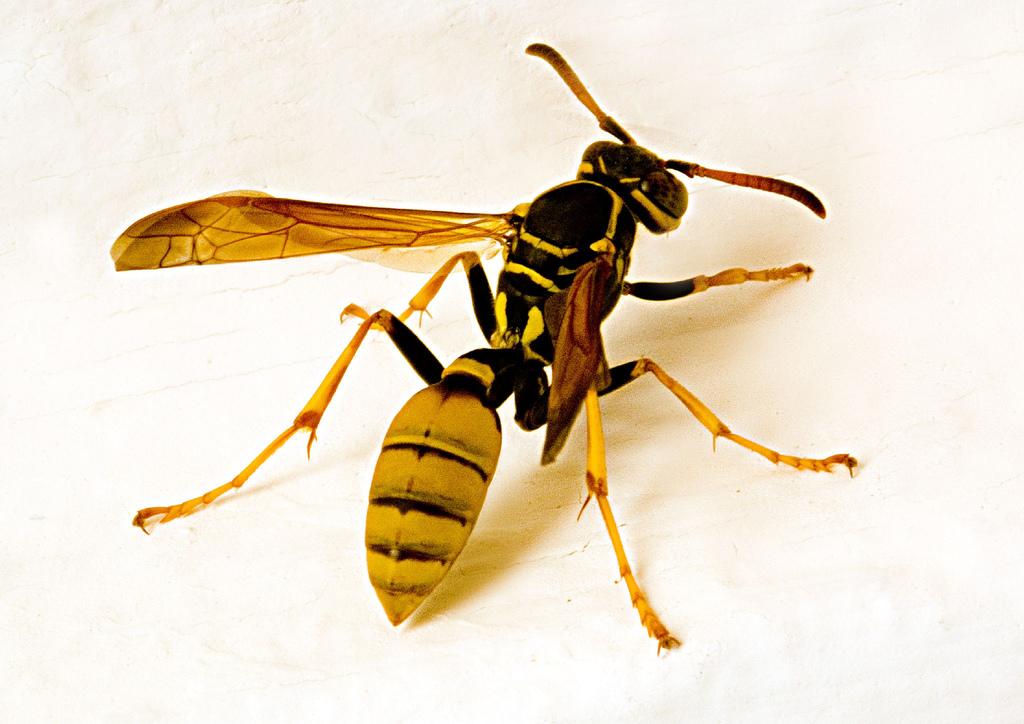

Despite their bright colours to deter predators, wasps are eaten by a number of different animals around the world including birds, amphibians, reptiles and various species of mammal. The queen wasp lays her eggs inside the nest which hatch in a number of days. When the wasp larvae hatch they are cared for by the other wasps in the nest and begin to hunt for food to bring back to the nest. Wasps are known to travel nearly half a kilometre away from the nest in search of food.

Friday, March 25, 2011

Termite


True Wild Life | Termite | Termites are sociable insects, found in their millions all over the world. Termites feed on dead plant matter, rotten wood and soil and often create mounds out of dirt to support the termite colony. Termite colonies can vary in size from just hundreds of termites to several million termite individuals. As with other insects, such as the ant, termites lead a sociable existence and therefore abide by social hierarchy. Individual termites all have their position within the colony either worker termites, soldier termites or reproducer termites.


Termites are known as detritivores, which means that they eat decomposing plant matter. Around 10% of the estimated 4,000 different termite species are known as pests, as they can cause damage to buildings and agricultural land. The termite workers build and maintain elaborate nests to house their termite colony. The termites use soil, mud, chewed wood, saliva, and faeces in their nest construction. Enormous termite mounds are commonly seen in tropical and sub-tropical regions. Termite mounds are often found as high as 3 meters, but most are usually smaller. Termite mounds however, have been known to get to more than 9 meters tall.


Termites are herbivorous animals meaning that they only eat organic plant matter. Termites eat a mixture of plants, grasses and woods and some termites are known to pose a major problem to wooden houses as they eat their way through the wood, often causing structural damage.


In many cultures around in the world, termites are eaten as part of a normal diet. Termites are extremely nutritious as they have a good store of both fat and protein. Termites are also a nutritional food source for all kinds of animals from birds, to reptiles, to mammals.

Wednesday, March 23, 2011

Stick Insect


True Wild Life | Stick Insect | The stick insect (as its name suggests) is an insect that looks like a twig on a branch, bush or tree. This unique identity means that stick insects can be extremely difficult for predators to spot. Stick insects are found in the forests, rainforests and jungles around the world where they live a peaceful lifestyle, expertly camouflaged into their surroundings.


There are more than 3,000 different species of stick insect in the world, with more being thought to have not yet been discovered. Stick insects can range in size from just 3 cm to 30 cm in length. Stick insects have long, cylindrical bodies, that are stick-like in both shape and colour. Some stick insect species however have more flattened bodies which make them look more like leaves than sticks.


The stick insect is a herbivorous animal meaning that the diet of the stick insect is purely a vegetarian one. Stick insects mainly feed on leaves and other green plants, along with the odd berries or fruit. Due to their small size, stick insects have numerous predators in their tree-surrounded environment, if they can be seen that is. Birds, small reptiles, and rodents all feed on the stick insect if they are able to find one.


After mating, the female stick insect lays up to 1,500 eggs which are cleverly camouflage to look like plant seeds. The eggs of the stick insect are able to lay dormant for months before the larvae begin to hatch out of the eggs. When the stick insect larvae first hatch, they already closely resemble and adult stick insect.